
Find The Right Physical Therapy Service For You
At Revive Physical Therapy, we offer a wide range of one-on-one, evidence-based treatments designed to support your recovery – whether you’re preparing for surgery, managing chronic pain, healing from an accident, or looking to optimize performance. Every treatment plan is uniquely designed for you, based on your condition, goals, and lifestyle.
REVIVE PT SERVICES MENU

Pre- and Post-Operative Care
Customized therapy to help you prepare for or recover from surgery – improving healing, mobility, and long-term outcomes.

Non-Surgical Injury Care
Effective treatment plans for pain and movement issues, helping you avoid surgery, injections, and long-term medications whenever possible.

Workers' Comp Rehabilitation
Targeted rehab to help you safely return to work after a job-related injury, with care tailored to your physical job demands.

Fall Risk Assessment & Balance Restoration
Improve your stability and prevent falls through strength-building and balance exercises focused on safe mobility.

Concussion Treatment
Support your recovery from head injuries with therapy that improves coordination, focus, and overall function.

Motor Vehicle Accident Recovery
Individualized therapy to relieve pain, restore mobility, and rebuild strength after auto accident-related injuries.

Pain Management & Functional Recovery
-
BACK & NECK PAIN: Improve posture and reduce tension
BACK & NECK PAIN
-
SHOULDER PAIN: Rotator cuff injuries and impingement
SHOULDER PAIN
-
KNEE PAIN: ACL, patellar injuries, and joint discomfort
KNEE PAIN
-
FOOT & ANKLE PAIN: Sprains, plantar fasciitis, and more
FOOT & ANKLE PAIN

Sports Performance & Injury Recovery
Enhance your performance or recover from sports injuries with personalized, athlete-focused physical therapy plans.

Common Frequently asked Physical Therapy Questions

What conditions do you treat at Revive Physical Therapy?
I treat a wide range of musculoskeletal issues including:
- Spinal conditions: Back pain, neck pain, and general joint dysfunction
- Shoulder and upper extremity issues: Rotator cuff injuries, shoulder impingement, labral tear, instability, biceps injury, elbow pain, lateral and medial epicondylitis (tennis and golfer’s elbow), and wrist pain.
- Lower extremity issues: Hip, knee, ankle, and foot pain, bursitis, meniscal tears, labral tears, ligament injury including ACL and PCL, patellar tendonitis, patellofemoral pain, plantar fasciitis, and medial tibial stress syndrome.
- Post-surgical rehabilitation: Total joint replacement (hip, shoulder, knee and ankle), labral repair, ACL, PCL, and meniscal repair, ORIF fracture repair, discectomy, laminectomy, and tendon repair.
- Sports-related injuries: Enhancing sports performance and rehabilitation after injuries or surgery.
- Preventative care: Programs designed to maintain optimal function and prevent future injuries
My evidence-based approach focuses on improving mobility, reducing pain, and restoring function through individualized treatment strategies.
How do I know if I need physical therapy for pain or mobility issues?
If you are experiencing persistent pain, limited range of motion, or difficulty performing daily activities, physical therapy may help. A comprehensive evaluation will determine if you would benefit from PT and allow for an individualized treatment plan
What can I expect during my first physical therapy session?
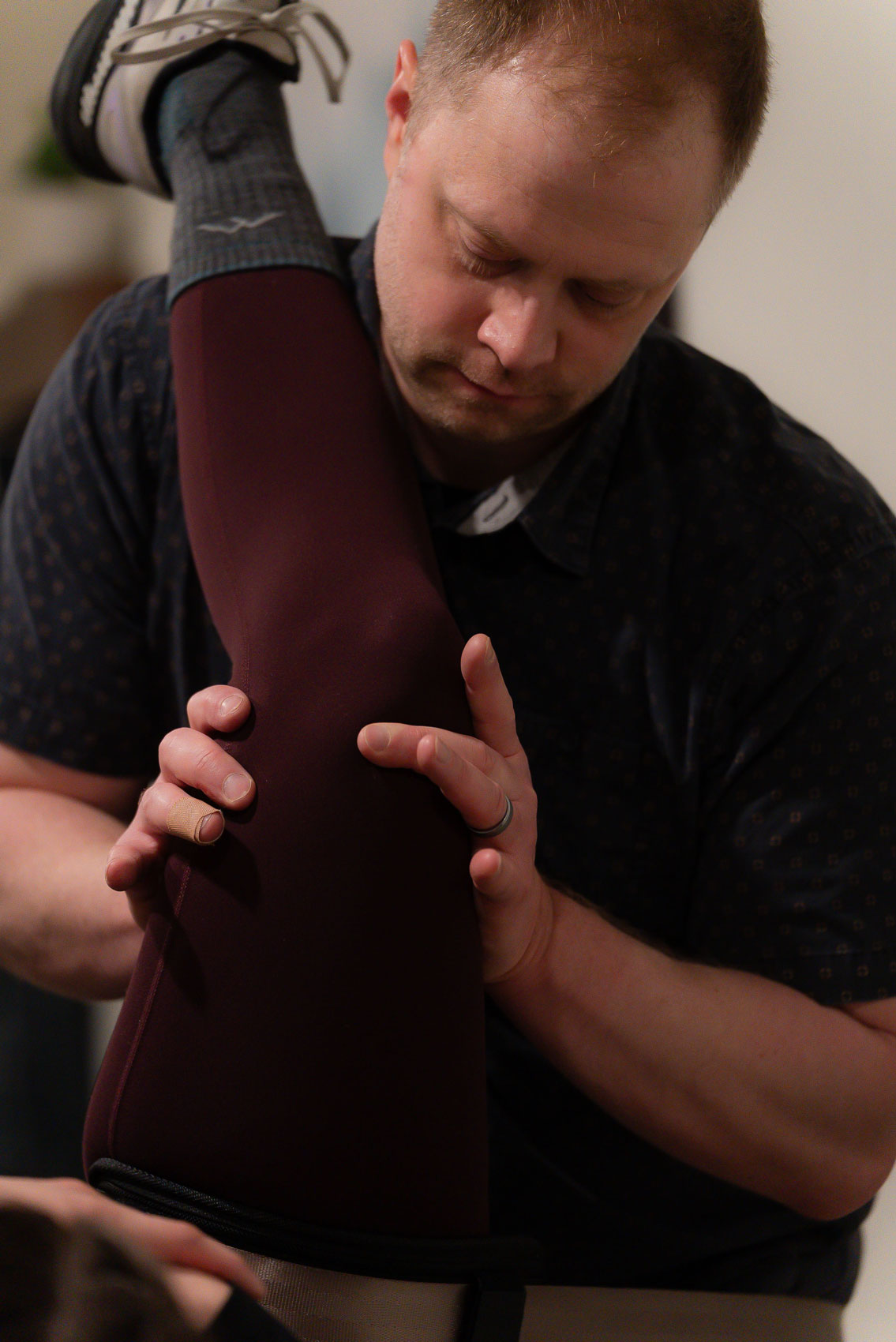
Your first visit includes a thorough assessment to understand your symptoms, movement patterns, and lifestyle factors. Based on this evaluation, I will develop a personalized treatment plan that may include manual therapy techniques, exercises, and patient education.
How do manual therapy techniques help in my recovery?
Manual therapy helps by reducing pain and inflammation, increasing joint mobility, and improving tissue mobility. Techniques such as soft tissue mobilization, joint mobilizations, and myofascial release are used to enhance movement and support the healing process.
Can physical therapy help me avoid or delay surgery?
In many cases, early intervention with physical therapy can reduce pain, improve function, and avoid or delay the need for surgery. By addressing the root cause of your discomfort through targeted exercise and manual therapy, we aim to enhance your quality of life and potentially postpone more invasive procedures.
What is blood flow restriction therapy and how does it work?
Blood flow restriction (BFR) therapy is a specialized technique that uses a controlled pressure cuff to restrict blood flow to working muscles during exercise. This method allows you to achieve the benefits of higher intensity training while using lighter loads, which can enhance strength, promote muscle growth, reduce inflammation and pain, and support rehabilitation without overstressing injured tissues.
How long does physical therapy take to see results?
The duration of treatment varies depending on your specific condition and individual goals. Some patients notice improvements after just a few sessions, while others may benefit from a longer-term rehabilitation plan to achieve lasting results.
Most people require a minimum of 4 to 6 weeks of treatment twice a week for their treatment plan.
Does Revive Physical Therapy accept insurance?
Yes, many of our services are covered by a variety of insurance plans. We work with major providers including Medicare, Medicaid, Blue Cross Blue Shield, Mountain Health Co-op, Aetna, Pacific Source, workers’ compensation, and auto insurance. In addition, for those who are self-insured or have alternative health insurance, cash pay options are available, and a superbill can be generated to help you submit claims to your insurer if needed.
How are treatment plans customized to my specific needs?
Each treatment plan is tailored to your unique diagnosis, symptoms, and lifestyle. I combine clinical expertise with patient feedback to ensure that the therapy addresses both the root causes and the functional limitations you may be experiencing. Each patient has goals they would like to achieve, and we work to meet those goals.
How can I schedule a physical therapy appointment in Kalispell, MT?
You can schedule an appointment or request additional information by contacting the clinic directly via phone or by using the online contact form on the website. I look forward to helping you achieve better health and improved mobility.
Have more questions? Call Revive PT.